Meet the Faculty
Meet the Faculty

Abhari has founded the Digital Innovation Lab (DiLab) at SDSU to research human-centered digital transformation, and STEMD² R&D Group to support STEM education in underserved communities. He currently leads federally funded research and service projects on inclusive teaching, social learning, and alternative education. He holds a Ph.D. in communication and information sciences, a Ph.D. in strategic marketing management, and a master's degree in electrical engineering with 20 years of experience in the industry.
Education
PhD, 2014.
Major: Communication and Information Sciences
PhD, 2012.
Major: Management (Marketing)
MS, 2007.
Major: Electrical Engineering
BS, 2003.
Major: Electrical Engineering
Primary Email: [email protected]
Phone/Fax
Primary Phone: 619-594-0746
Building/Location
Lamden Hall - 448C
Mail Code: 8221
Website Links
My approach to Shakespeare:
With over three decades of experience directing and teaching Shakespeare at high-school, college, and professional levels, my focus when working with Shakespeare is first and foremost accessibility for both performer and audience. In 1993 I founded Will Power to Youth for Shakespeare Center of Los Angeles. This award-winning arts education program served as a national youth employment and development model. For thirty years the program provided a full-time, six-week summer job for participants, before evolving into an afterschool program in 2024. The program was designed to reach underserved populations with qualifying participants required to meet federal poverty guidelines in order to participate. Many were first-time wage earners who were employed to study, rehearse, and perform a Shakespeare play. The program was designed to make Shakespeare accessible to the youth employee participants as well as to their families and friends who were often seeing Shakespeare for the first time.
Since 2018, I have directed either a touring or Main Stage Season production of a Shakespeare play for the School of Theatre, Television, and Film. I use a process that I call “Excavation and Embodiment” to teach students to analyze Shakespeare text, synthesize and embody that understanding, and present their learnings through performance. My first goal is always to provide students with access and understanding to the words and meaning of the text, and then to help them embody the deeper emotional aspects of the characters and story. The process begins with an intellectually rigorous exploration of the text using the Alexander Schmidt Lexicons, the Oxford English Dictionary and various editions of Shakespeare texts, most notably the Arden edition, to come to a deep and clear understanding of the words on the page and to paraphrase the text into their own words. From there, actors are asked to memorize and embody the text through a series of interactive vocal, physical, and imaginative activities building upon the work of Kristen Linklater and Patsy Rodenberg, combined with the practices of yoga and Tai Chi Chuan.
My current research agenda includes an investigation of the capacity for relaxation and ease to expand the performer’s access to the power of Shakespeare’s language. In this way the language is made more accessible to an audience regardless of previous exposure to the text.
About Shakespeare Lab: Student protégés will get the opportunity to work closely with Dani Bedau, Professor and Head of Youth Theatre. Dani has over thirty years of experience making Shakespeare accessible, engaging, compelling, and relevant. Mentees will develop skills in the application of excavating and embodying the complex and highly poetic texts of William Shakespeare. Protégés will engage in embodiment techniques that include voice, movement, and imagination skill-building, drawing upon the work of Patsy Rodenburg, Kristin Linklater, Libby Appel, and Diana Maddox (to name a few). These techniques and processes are applicable to performance and classroom settings. The Shakespeare Lab is appropriate for students interested in performing and directing Shakespeare or teaching Shakespeare in high school or college contexts. Students interested in attending graduate school will have an opportunity to receive one-on-one coaching and mentorship during the application process.
Wondering if Shakespeare Lab is for you?
Feel free to reach out to Dani with your questions at [email protected].
Clarity, Confidence, Collaboration
Students selected for the program get the opportunity to:
- Increase your sensitivity to humanity and exponentially grow your creative and personal confidence
- Utilize research and creative practices to carry out your own work performing and teaching the works of William Shakespeare
- Shift your relationship to Shakespeare’s seminal and densely poetic material, from mystifying, to empowering and energizing
- Excavate Shakespeare’s text using the Alexander Schmidt Lexicons and other sources
- Memorize and embody the text through a series of interactive vocal, physical, and imaginative activities that build upon the work of Kristen Linklater and Patsy Rodenburg combined with the practices of yoga and Tai Chi Chuan
- Increase your capacity for relaxation and ease in performance thereby expanding your access to the power of Shakespeare’s language
- Work collaboratively with a team of peers, and under the guidance of faculty, toward the goal of creating a new script drawn from the work of Shakespeare
- Participate in community-building activities that lead to the development of a brave space
- Acquire skills transferable to teaching Shakespeare in the classroom
- Learn about how to obtain a California State Theatre Credential
- Engage leadership skills as peer mentors
- Create presentations for SDSU's Student Research Symposium
- Prepare for graduate education in theatre or theatre education
- Build your graduate school application or résumé
Earn credits toward graduation as needed
Students work with Dani by both attending weekly collaboration sessions, working independently, and meeting with her in office hours as needed.
Apply HERE to be part of Shakespeare Lab. If you apply using this link please email Dani at [email protected] to let her know you've completed the application.
Dr. Rulon Clark
Department of Biology
Office: LSN-224
Mail Code: 4614
p. 619-594-1527
f. 619-594-5676
[email protected]
Website
My primary role as a faculty mentor is to show students that a career as a research scientist is exciting and enjoyable. There are incredible opportunities for research in the life sciences, but many undergraduates are often intimidated by the prospect of conducting research. However, once students are exposed to the research process, they often realize that not only can they actually begin undertaking scientific investigation, but also that doing so is a very rewarding endeavor. In addition to getting students excited about a career as a scientist, research experience helps students begin the transition from being a knowledge consumer to a knowledge producer. Students who plan on a career in scientific research will usually pursue graduate degrees. As graduate students, they will need to be able to work independently, developing their own hypotheses, designing their own experiments, and thinking critically about scientific literature. This is a very challenging transition. Research experience outside of regular coursework will not only help students develop as independent thinkers more rapidly, but will also aid them greatly when applying to graduate school. Most professors only accept graduate students that have already demonstrated a capacity for independent research as undergraduates. However, the benefits of participating in independent research as an undergraduate extend beyond those students in an academic career track. The skills learned while performing research, including critical thinking, problem solving, teamwork, and written and oral communication skills, are indispensible to any career.
My laboratory studies animal behavior, and how the behavior of individuals affects population processes and community dynamics. We are currently initiating a wide range of research projects, including studies of predator-prey interactions, social behavior, mating behavior, conservation ecology, and molecular ecology. We use a combination of field and laboratory studies. We work on a diverse array of species, but the majority of our work is conducted with reptiles and amphibians. Almost all of our projects involve observational and experimental approaches, and often require a fairly large team of researchers to monitor and record the behavior of both free-living animals, and animals that are part of our captive research collection.
Many of our projects involve multiple goals or questions, each of which may be a small contribution in itself, but which plays a critical role in illustrating a bigger picture. This means that well-trained undergraduate students often have the opportunity to take on a part of our research program as their own, becoming the primary individual responsible for that component of the program. This style of research (with many small independent projects working in a larger system of objectives) is ideal for students becoming involved in research for the first time: they get to experience truly independent thinking, analysis, and ownership of their project, but under the guidance of mentors who can help them fit that research into a broader scope and context. I anticipate that those students who display a deep commitment to their work will be able to present the results of their research at national meetings, and become authors of scientific manuscripts that incorporate the results of their independent research.
Undergraduate students involved in our program should expect to commit 10-15 hours per week to research activities, including participation in our weekly lab meetings, and participation in a weekly research seminar focused on introducing beginning students to the basic practices of animal behavior research. Students will also need to complete basic training for working with live animals, and will be expected to devote some nights and weekends to field research in and around San Diego County. Beginning students will gain research experience by working on research projects already underway, overseen by myself, my graduate students, and advanced undergraduates. Students who demonstrate adequate progress through the program will be able to then undertake their own independent research projects.
Protégés
Student: Geoffrey Ramirez
Title: Chemosensory prey preferences in rosy boas, Lichanura trivirgata
Summary: Many snakes rely extensively on chemosensory information to identify and locate their prey. The degree to which snakes respond to chemosensory cues derived from their prey is often used as a measure of predatory specialization. Evidence from previous studies suggest that Eryicine boas native to North America (the rubber boa and the rosy boa) specialize on preying upon the nestlings of small rodents (mice, voles, rats, and rabbits). Our goal in this project is to examine the chemosensory behaviors of captive-raised rosy boas to determine whether they exhibit strong responses to chemosensory cues from nestling rodents, as opposed to adult rodents that have no nestlings. To accomplish this goal, we examine the responses of rosy boas to clean nesting material, nesting material soiled by rodents with no dependent young, and nesting material from mothers that are currently rearing litters of dependent offspring.
Student: Brittany Sabga
Title: Examining Individual Handedness in Captive Siamangs (Hylobatidae syndactylus)
Summary: Recent research examining handedness in nonhuman primates has revealed that hand preference exists at both the population and individual levels, dispelling the historical belief that handedness is a uniquely human trait. Expanding our understanding of manual lateralization in nonhuman primates will provide insight into the laterality of function in the human brain. In the past three decades, research into this topic has greatly increased in three main primate species, the gorilla (Gorilla gorilla), orangutan (Pongo pygmaeus pygmaeus) and the chimpanzee (Pan troglodytes). Recent research has not revealed a unilateral preference across populations and has failed to reach a consensus on the presence of handedness in these species. Additional research into manual lateralization in a range of nonhuman primate species is necessary to reach a firm conclusion on handedness in nonhuman primates as a whole. Many gibbon species are known to walk bipedally both in captivity and in the wild, which makes them excellent candidates for handedness studies. The present study examines hand preference in 3 captive siamangs at the San Diego Zoo. This study seeks to determine if this population exhibits a significant hand preference across four behaviors, 1) spontaneous feeding, 2) grooming of self and others, 3) brachiation initiation, and 4) the primary hanging hand.
Student: Sierra Stephens
Title: The genetic diversity of an isolated population of timber rattlesnakes, Crotalus horridus
Summary: Genetic diversity is essential to the long-term survival of populations. Populations that are isolated, with no genetic connectivity or dispersal of individuals from nearby populations, can rapidly lose genetic variation through genetic drift and inbreeding. Inbreeding depression is exacerbated in many populations by the increasing rate of anthropogenic habitat fragmentation. Therefore, measuring the extent of inbreeding depression and genetic variation should be of primary concern for isolated populations. Timber rattlesnakes (Crotalus horridus) are medium-sized pitvipers inhabiting the deciduous forests of eastern North America that were formerly abundant and widespread throughout the eastern United States, with a range that extended northward into Vermont, New Hampshire, and Maine. Within the last century, timber rattlesnake populations have undergone widespread declines and range contraction; the species has been extirpated from Maine, and only one known hibernaculum exists in New Hampshire. The remaining New Hampshire population is isolated from any other known population by ~50 miles, well beyond the range over which individuals could emigrate. In this study, we use selectively neutral microsatellite markers to examine the genetic diversity of the only remaining hibernacula of timber rattlesnakes in New Hampshire. We compare the genetic diversity of the New Hampshire hibernaculum to six hibernacula found in northern Adirondack area of New York, which are connected to each other by relatively intact habitat.
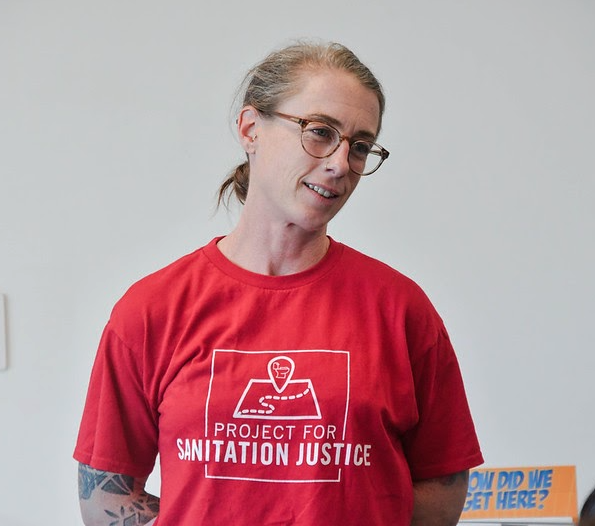
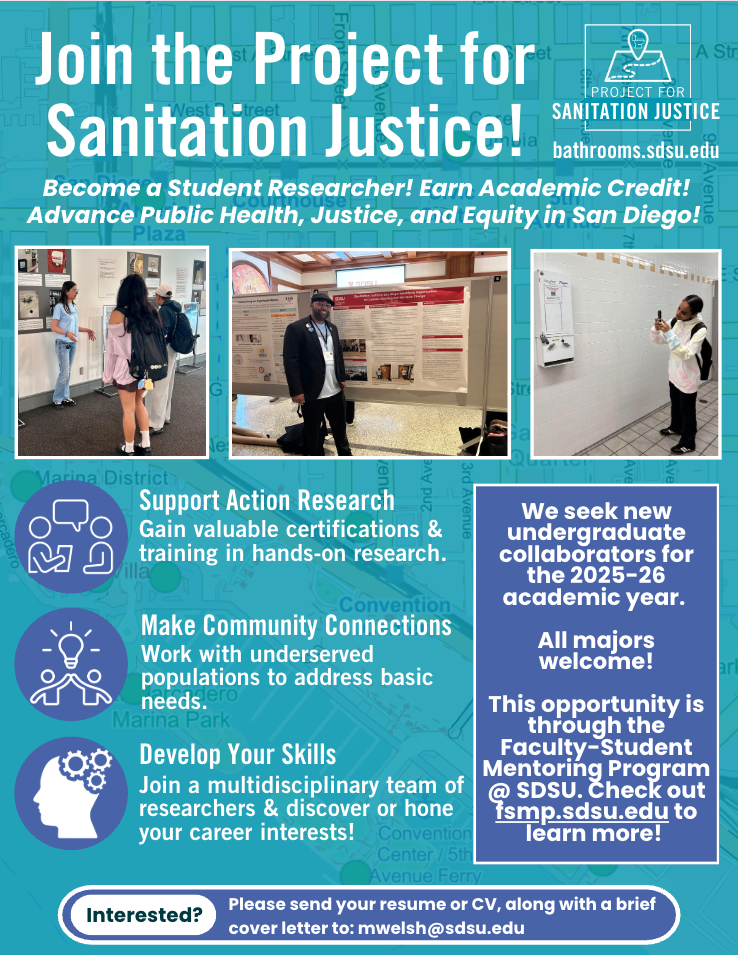
Megan Welsh Carroll, PhD, MSW, is an interdisciplinary social scientist and educator working at the intersection of health, safety, housing, and environmental justice. She is a Professor and the Director of the Institute for Innovative Governance at San Diego State University (SDSU). She teaches in the School of Public Affairs within the College of Professional Studies and Fine Arts.
Dr WC is Founding Director of the Project for Sanitation Justice @ SDSU, a grassroots organization that maps and provides other high-quality data on public restroom access and other WaSH resources in San Diego County and across California. She is also a collaborator of the Homelessness Survival Strategies Lab @ SDSU.
Nearly a quarter of all unhoused people in the United States live in California, and California is home to nearly half of people living outdoors (“unsheltered”) in the U.S. The Project for Sanitation Justice’s transdisciplinary team knows that people experiencing problems need to be part of the solution. PSJ partners with unhoused communities and direct service providers to educate city leaders and policymakers on how providing WaSH services improves public health and benefits all people in the community. It also empowers those who are unsheltered to connect with needed services, giving them hope. Restrooms aren’t peoples’ favorite topic, but we all need them. All of us deserve human dignity.
As a research mentor and instructor, Dr WC teaches students to be effective communicators as they seek innovative solutions on issues around homelessness, public health, safety, the criminal-legal system, and other pressing social issues. Students in her classes and on her research team have the opportunity to partner with community organizations on real world problems. This better prepares them for a broad range of careers from social work and government to health services and law enforcement. She has received the Outstanding Faculty Award for most influential faculty member in Public Administration and Criminal Justice, and the Dean’s Excellence in Teaching Award from the College of Professional Studies and Fine Arts at SDSU.
Dr Megan Welsh Carroll has a PhD in Criminal Justice from the City University of New York (CUNY) Graduate Center. She has a Masters of Social Work from Temple University. She also holds a Bachelor of Arts in Social Work from University of California, Berkeley. Her research has appeared in The LA Times, Voice of San Diego, The Atlantic, The San Diego Union Tribune, KPBS, and on NBC7 San Diego.
Get in touch! During Academic Year 2025-26, Dr WC is recruiting undergraduate student researchers to join the PSJ team while earning academic credit, via the Faculty-Student Mentoring Program. All majors are welcome to apply! PSJ’s research may also be of particular interest to students of health communication, sustainability, social work, public health, public administration, public policy/economics, geography, gender studies, and/or website/graphic design.

Dr. Vivian Huangfu
Fowler College of Business
Office: SSE-3202
Mail Code: 8221
619-594-1347
619-594-1347
[email protected]
AI4Business Lab
Dr. Huangfu is the director for AI4Business Lab for several years and mentored over 60 both undergraduate and graduate students, delivering many publications. From her experience working with students, she appreciates the significant contributions students can make to research projects due to their genuine curiosity and eagerness for research experience. It might be worth noting that AI4Business Lab have collaborators come from esteemed institutions worldwide (e.g., USA, Europe, United Kingdom), including the University of California, Berkeley, Indiana University, University of Arizona, University of Michigan, University of Pecs. The lab’s research momentum receives strong backing from distinguished sources like the National Science of Foundation (NSF), Department of Energy (DOE), National Security Agency (NSA), National Institutes of Health (NIH), Shodor Education Foundation, and Division of Research and Innovation (DRI), among others. Noteworthy is the lab’s commitment to nurturing outstanding students, recognized through scholarships, fellowships, and stipends, including SDSU Master Scholarship, Wiley Scholarship, Karen Wilcken Memorial Scholarship, Weber Honors Research Fellowship, and Liao-Huangfu “Light-House” AI4Business Lab Scholarship, because of the great research work that they conducted.
Training
The hands-on research experience will benefit students in various areas, such as gaining new skills, critical thinking, and career development. Therefore, all the students recruited through this program are expected to work in a team to conduct original research related to AI/ML. Research topics include, but are not limited to, face recognition, automatic pavement distress detection, sentiment analysis of online discussions on public health concerns or mental health, large language models, and computer vision. Students are encouraged to come up with research ideas that pique their interest. Experience working with students strongly suggests that they are much more likely to stay motivated and complete the project if they propose the research topics themselves. Of course, our AI4Business Lab will also provide the options of projects that are going on and students can join the project as team members if they feel more comfortable. The advantage of AI/ML research is that it can be applied to diverse topics and research domains. In the processing of developing research ideas, students will be provided with training in literature review to evaluate the state-of-the-art approaches and identify knowledge gaps where they can propose new solutions. Throughout the research process, students will receive guidance on systematic thinking of the research process, including data collection, preprocessing, data analysis, and summarizing findings. Students will be trained to learn programming techniques to undertake various tasks, including web crawling, model building, model training, and performance evaluation. During the process, students will be enrolled in GENS400 or GENS200 or equivalent courses to earn class credits. Presently equipped with Nvidia 6000 Ada GPUs (i.e., a very updated GPU version as first released in December 2022), AI4Business Lab’s computational resources will facilitate students’ work.
Outcome
For students work hard on the projects, there are usually good outcome for their career and future, below are three cases for demonstration.
Case 1:
Being a mentor for the San Diego State University 2021 Emergency Spring Research, Scholarship, and Creative Activities (RSCA), Dr. Huangfu mentored two undergraduate students on a study regarding pavement distress recognition, one of whom as a disabled veteran is from underrepresented communities. They held research meetings once or twice each week to discuss research progress, and he contributed to the project significantly, eventually co-authoring a paper accepted by International Conference on Neural Information Processing (ICONIP) in 2022 and finally officially published in 2023. This is the first paper published for the underrepresented undergraduate student.
Case 2:
Serving as a mentor for Summer Undergraduate Research Program (SURP) in 2021, Dr. Huangfu mentored an SDSU undergraduate to study the relationships between various factors and COVID-19 transmission. They proposed a research framework for a comprehensive understanding of disease transmission via representative variable exploration, featuring four different categories of variables, including human behavior, economic variables, air pollutant variables, and weather variables. This project examined how diverse variables contributed to disease transmission and might help better predict the effects of public health measures. The student fully participated in the whole process of a research project from conceiving the idea, collecting data, analyzing the data, and writing a manuscript. This study was published by the Americas Conference on Information Systems (AMCIS) 2021, which is one of the leading conferences for IS/IT research, with Top 25% paper award. This is the first paper published for the undergraduate student. It might also be worth noting that this student has been accepted by Carnegie Mellon University (CMU), University of California, Berkeley (UCB), University of California, Irvine (UCI), and so on. Eventually, the student has decided to pursue the master’s degree at CMU, starting Fall 2023 semester. And because the student has published a paper with Top 25% paper award, the master program offers 70% scholarship. The student just needs to pay about $25,000 for the CMU master program and saved about $55,000 because of the research work he did previously in the AI4Business Lab.
Case 3:
Dr. Huangfu has mentored an MSIS track underrepresented student to conduct research. To support this underrepresented graduate student, Dr. Huangfu helped her apply for and win a research scholarship for master students. Under Dr. Huangfu’s guidance, she undertook a research project leveraging text mining to monitor the public's conceptions of COVID-19 vaccines. In this study, they aimed to explore the overall sentiments and topics about COVID-19 vaccines, as well as how such sentiments and main concerns evolve. Not only did she learn various technical skills, including text mining skills, but she also made substantial contribution to the manuscript. This study co-authored by her has been published by the Journal of Medical Internet Research (JMIR) 2022, which is a top-tier journal, ranking # 1 under the category of "Medical Informatics/Health & Medical Sciences" with an impact factor of 7.08. Until now, this paper has been cited by 39 times, within two years.
Prof. Jess Humphrey, Associate Professor Of Dance
Location: MU-211
[email protected]
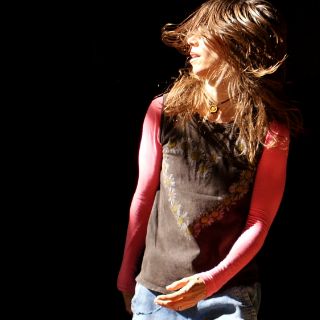
About EmbodiLab:
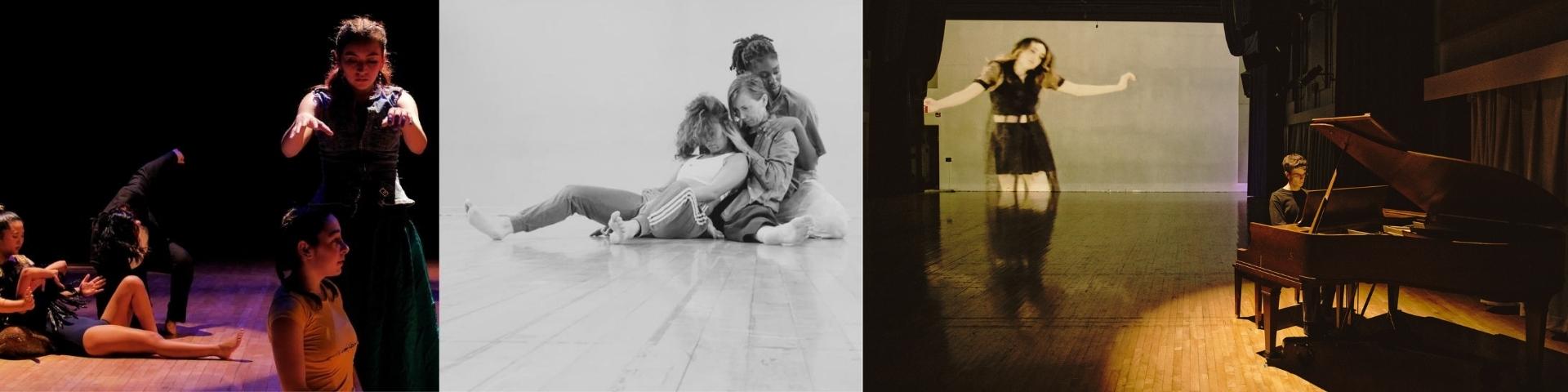
In EmbodiLab, student protégés work closely with Associate Professor of Dance, Jess Humphrey to develop skills in the application of somatic and contemplative techniques to collaborative performance-making with a focus on the relationship between artistic performance, mental health, healing, and human development using methods from Practice-as-Research in the arts. Students selected for the program get the opportunity to:
Care, Collaborate, Create, Communicate
- Gain research experience in embodied and performing arts
- Become more familiar with experimental approaches to embodied art and performance-making through the practice of contact improvisation
- Identify and implement basic health-promoting practices that support your body-mind in your artistic work
- Track the healing possibilities in the process of preparing for and staying present throughout the creative process and during performance
- Learn techniques for deepening self and relational awareness in and through the group meditations, flow states, and creative process including those used in Portal, a binational dance collaboration directed by Jess
- Collaborate with art students who are serious about their training but still know how to play within the creative process
- Learn Robin Nelson's model for Practice-as-Research in the arts
- Develop intentional relationships with social media platforms to share the riches of the creative process
- Perform/present works-in-progress alongside SDSU faculty, alumni, and local professionals in The Undone Show at the end of the Fall semester
Create presentations for SDSU's S3 Student Symposium - Prepare for graduate education in any subject
- Build your graduate school application or résumé
- Get three elective credit hours toward graduation per semester (highly recommended)
Students work with Jess by both attending weekly practice sessions in the studio (EmbodiLab, which may include artists from the larger San Diego Community), working independently, and meeting with her in office hours as needed.
Apply here to be a part of EmbodiLab. You must notify Jess that you have completed this application by emailing her at [email protected].
Recent EmbodiLab highlights:
Protégés danced in Because You Move Me, one of 33 dances in the US selected to perform in the American College Dance Festival’s national conference.
https://vimeo.com/863016151?share=copy
Protégés Alyssa Moreno and Chasley Schoettle were featured research assistants in the Summer Undergraduate Research Program (SURP).
https://youtu.be/zK4XR0M6GP8?si=Sr9HQGUCY6_qxrmP
About Associate Professor Jess Humphrey (MFA, CLMA, RSMT):
Jess makes dances to leverage the profound healing potential of human beings moving together, attending to space, time, and bodies, and deepening their relationships with each other and the world through the tenderness and vulnerability elicited by the creative process. Her movement research began in childhood with competitive gymnastics and continues today with dancemaking from various, shifting perspectives and states of body-mind. Her dances are expressions of her engagement in contemplative and somatic practices, Integral Theory, and reverence for those within whose lineages she moves.
She has an MFA in Modern Dance with a focus on contact improvisation and creative process from the University of Utah and a BFA in Dance from California State University, Long Beach. An intensive study with Deborah Hay in 2009 changed her life and continues to inspire her every move.
Jess has shared in the creation of several evening-length dances as director, collaborator, and/or performer over the past eighteen years with other artists including Deborah Hay, Gabor Tompa, Sara Shelton Mann, and Guillermo Gomez-Pena’s La Pocha Nostra. Her collaboration with Eric Geiger (UCSD) spans 12 years and multiple contexts. Over a decade of practicing and performing spontaneous dancemaking with LIVE (Kris Apple, Emily Aust, Liam Clancy, Anya Cloud, Viktor De La Fuente, Ron Estes, Chloë Freeman, Eric Geiger, Zack King, Verónica Santiago Moniello, Justin Morrison, Blair Robert Nelson, Krista Kaye Nelson, Nhu Nguyen, Mary Peterson [previously Mary Reich], Karen Schaffman, Leslie Seiters, Yolande Snaith, and Aubrhe Yruretagoyena) continues to shape her work, and she remains engaged in ensemble practice in ways that are still very much aLIVE.
She completed the Integrated Movement Studies (IMS℠) program and was certified as a Laban/Bartenieff Movement Analyst (CLMA) by Peggy Hackney and Janice Meaden in 2006 and is a Registered Somatic Movement Educator (RSME) with ISMETA (International Somatic Movement Education & Therapy Association). She is engaged in The School for Body-Mind Centering®’s SME (Somatic Movement Educator) program with primary teachers Amy Matthews and Mary Lou Seereiter at Moving Within in Lorane, Oregon and in 2002, she was certified in Pilates with Karen Clippinger and Rael Isacowitz (Body Arts and Sciences, International) and has taught in dance, physical therapy, and fitness settings throughout the US. She also a certified Integral Facilitator through Ten Directions with primary teacher, Diane Musho Hamilton.
Jess continues to learn by teaching contact improvisation, dancemaking, somatics and embodied anatomy in her role as Associate Professor in the Dance Program at San Diego State University where her research includes directing a binational cast with over 50 years of collaboration among them in Portal, a spacetime for transborder dance experiments centered in contemplative and somatic practices in San Diego and Tijuana and working with the Prison Arts Collective to bring arts education to incarcerated participants
Dr. Gustaaf Jacobs
Department of Aerospace Engineering
Office: ENG-306
Mail Code: 1308
p. 619-594-4046
f. 619-594-6074
[email protected]
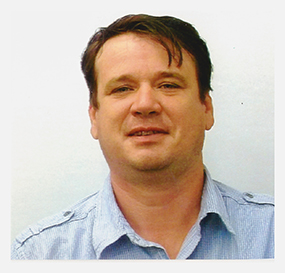
During my tenure at San Diego State University I have mentored numerous students ranging from high school to undergraduate, Masters, and Ph.D. students. It is my privilege to have been involved in a number of mentoring and training programs. The most prominent being a NASA sponsored Undergraduate Mentoring Program in collaboration with MESA (the Mathematics Engineering and Science Achievement program) and the industry sponsored Center for Industrial Training and Engineering Research (citer.sdsu.edu) which I currently direct.
These programs have formed my mentoring philosophy that revolves a mentoring pipeline that prepares to enter the STEM workforce. I recruit students at an early stage (high-school/undergraduate level) and expose them to projects that range from industry funded work to fundamental academic research in the areas of hypersonic flow, turbomachinery, and computational science. Project work teaches students essential engineering tools. The mentoring pipeline enhances communication skills and leadership through cross-pollination and mentorship between students, myself and industrial staff members.
As the first college graduate in my family, I have a deep appreciation for the contributions that quality education and mentoring have had in my professional development. Without the training and advice of kind teachers and devoted mentors, I would not have been able to identify opportunities and make the choices that have helped me become a Professor of Aerospace Engineering. I am excited to pass the lessons I have learned on. The large student body of Hispanic students, many of whom are the first college graduates in their families and the Faculty Student Mentoring Program is a perfect match. I look forward to working with STEM students from underrepresented groups who are eager to make a difference and help them advance their careers.
Dr. Changqi Liu
School of Exercise and Nutritional Sciences
Office: ENS-308
Mail Code: 7251
p. 619-594-7753
[email protected]
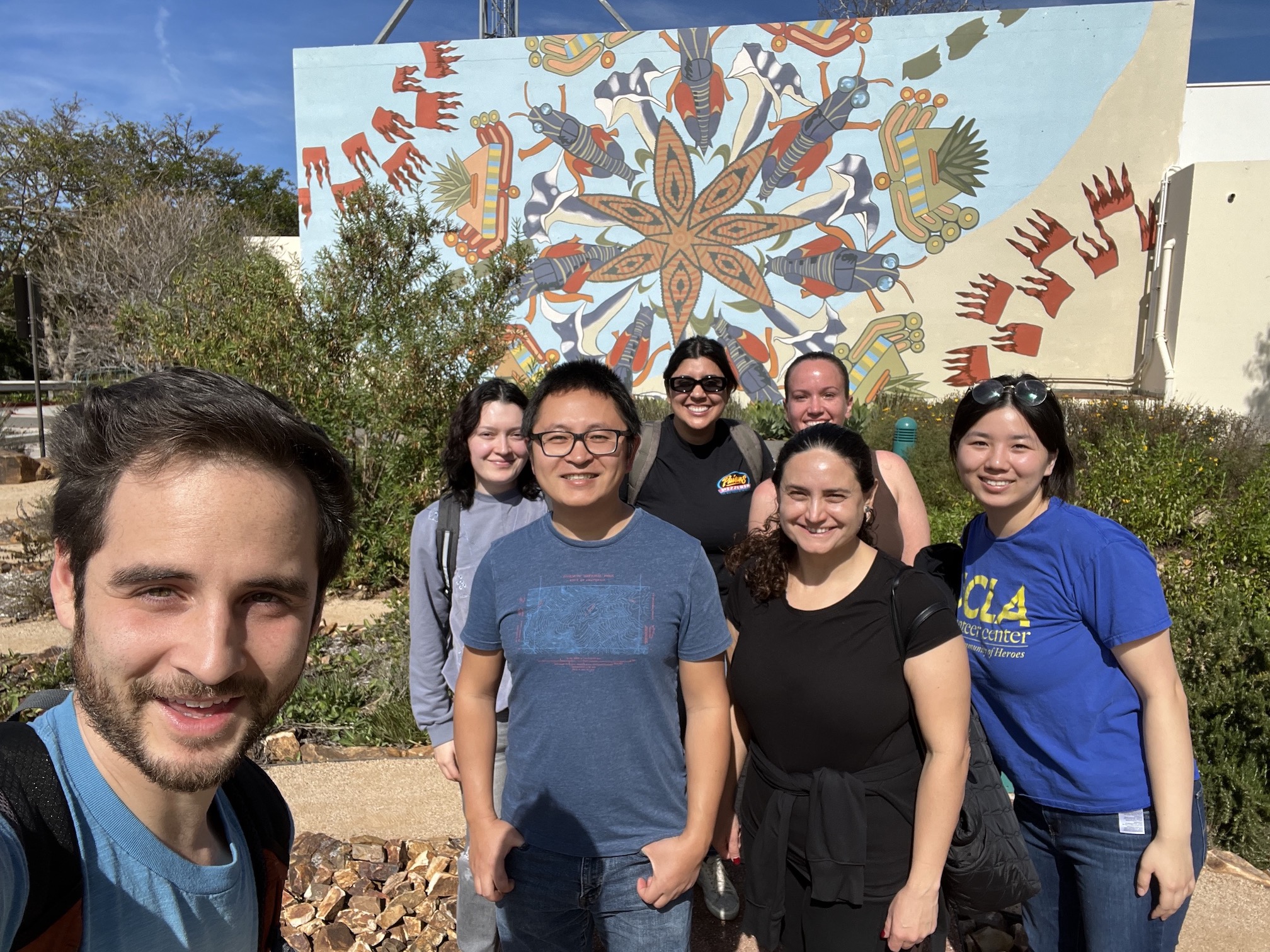
Mentoring students and witnessing their growth is one of the most fulfilling aspects of my professional career. Since joining SDSU in 2016, I have had the opportunity to mentor over 80 undergraduate students in research. My approach to mentoring is focused on providing a comprehensive training experience that encompasses experimental design, laboratory techniques, data analysis, technical writing, and presentation. As a result of this training, ten undergraduate students have presented their work at the SDSU Student Research Symposium between 2017-2023, while six have presented at professional conferences. I am particularly proud of the achievements of my mentees, with one winning the Provost's Award and another winning the Sustainability Award at the Student Research Symposium. Two of them were selected as Outstanding Undergraduate Student of the School of Exercise and Nutritional Sciences. Furthermore, under my guidance, six undergraduate students have co-authored four papers that have been published in peer-reviewed scientific journals.
At present, I am working with a team of students to characterize the nutritional compositions and flavor profiles of sustainable food sources, such as native plants, algae, fungi, and edible insects. To promote independent thinking and motivate the students, I encourage them to choose a species of their interest and pursue their own research ideas. Although each student works on an individual project, they collaborate as a group to analyze specific parameters of their samples (e.g., protein content), which helps to enhance their research efficiency and develop their teamwork skills. Moreover, I strive to foster an enjoyable research environment where students feel comfortable asking questions and sharing their ideas. I take great pleasure in working with my mentees and seeing the exciting work they are undertaking.
Efren Michael López, Ph.D.
Assistant Professor, English
San Diego State Imperial Valley (Calexico Campus)
Phone: 626 476 6241 | Email: [email protected]
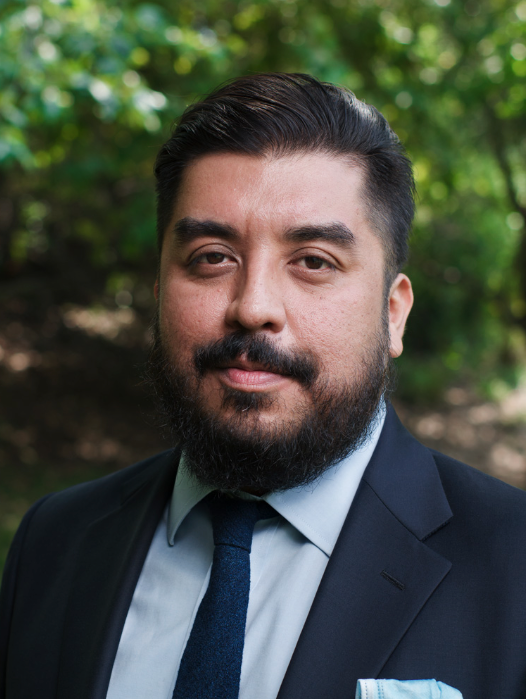
Born and raised in the San Gabriel Valley in Los Angeles Country, I am a professor of English and Comparative Literature at the Imperial Valley Campus. I earned my Ph.D. in English from UCLA with an emphasis on Multi-ethnic and Multi-cultural literatures. My research interests focus on the textual histories of belonging and insurrection in the U.S. and U.S. borderlands, from the antebellum period to the Chicana/o Movement to the present. In a sense, I am most interested in narratives that are underrepresented in our historical and literary record. What can we learn from these narratives that give us insight into our current moment? And why are they underrepresented in the first place?
For FSMP I am looking forward to leading and working with an archival research team that will delve into the local history of the Imperial Valley, California. Through this, we will gain a greater sense of place and understanding of this region, for all of its social, cultural, and political complexity. We will discuss the purpose of Humanities and Historically based research–and there is not only one answer to that question! Working with me, you may be handling old historical materials, discussing their importance and significance, and debating how to best narrate and present these materials to wider audiences, including through social media. I will also ask you to be reflective about your research process and we will engage in activities towards those ends. Notably, my cohort team is designed for students at any level of research experience. We will go step by step and learn along the way. Previously, my students have presented at conferences such as the National Association of Chicana and Chicano Studies, as well as the SDSU Student Symposium.
Dr. Enrico Marcelli
Department of Sociology
Office: NH-219
Mail Code: 4423
p. 619-594-5459
f. 619-594-1325
[email protected]
Aug. 09 New York Times Article
My main goal as a faculty mentor is to show students that learning how to collect and analyze quantitative data using a community-based participatory research (CBPR) approach is important for improving the well-being of vulnerable communities in the United States and can provide the skills necessary for having an interesting and well-paid career. There are many enjoyable and lucrative opportunities available to students who acquire the ability to design and implement representative surveys, and who learn how to analyze statistical data. Indeed, as a recent New York Times article (Lohr, August 6th, 2009) notes, first-year annual earnings for those who understand and can manipulate data can reach as high as $125,000! These opportunities include but are not limited to working in academia as a professor; being a researcher for a state or federal government, for a think tank, for community-based organization, or for an international organization such as the International Labor Organization, World Bank or United Nations; or working as an analyst for a more traditional for-profit company such as Google. Yet my experience teaching undergraduate and graduate courses in economics, public health, public policy and sociology during the past decade in California and Massachusetts suggests that many students who care about the communities in which they live or other social problems are either unaware of how powerful mastering the ability to collect and analyze statistical data can be for swaying decision makers, or don’t think that learning to do so can improve the conditions and lives of others. Other students simply, but unfortunately, think that they cannot possibly learn how to employ quantitative data and techniques to support important community-based work. I am convinced; however, that once students – some of whom have never taken statistics or a computer programming course – are given the opportunity to work together and with a community they care about to design and implement a survey, and to systematically test various explanations for a problem of interest to them; initial fear, insecurity and skepticism fades. Students see the truth of what the late great Harvard economist, John Kenneth Galbraith, once argued – “societies never really become effectively concerned with social problems until they learn to measure them.”
Acquiring the skills needed to help produce information that will capture the attention of policymakers regarding a pressing social problem and potentially improving the lives of others is one thing. But those who study higher education (e.g., Kuh et al. 2005) have long known that sustained student-faculty contact, cooperation among students, active learning, and high expectations (as well as prompt feedback, time on task, and respect for diverse talents and ways of learning) – those things students will experience if they join the mentoring opportunity I will offer – are crucial for another reason – personal growth and long-term success. Having a year-long undergraduate research experience that emphasizes a statistical CBPR approach improves a student’s ability to think creatively, to entertain explanations for problems in a systematic rather than emotional manner, and thus to succeed in whatever professional career he or she selects. In short, acquiring the skills to do meaningful statistical work that may improve the lives of others does not necessarily require forfeiting enjoyable and well-compensated work.
The mentoring experience I will offer this year will teach students how to develop a survey that can capture information that is representative of some geographically circumscribed population (e.g. unauthorized migrants, homeless residents, SDSU undergraduates), and thus generate information that may be used to answer some contemporary policy issue. For instance, what factors explain whether undergraduate students ever participate in a rigorous research experience? How many unauthorized migrants reside in a metropolitan area? How does occupation, family situation, neighborhood environment and personal networks influence whether immigrants integrate successfully? How important is having health insurance and access to medical care for understanding disparities in health?
The survey and analytical projects we will undertake this year will aim to answer such questions. Some students will use data we have collected from legal and unauthorized Mexican, Brazilian and Dominican migrants in Los Angeles and Boston. Others may prefer to use new data we will collect from SDSU students to investigate factors influencing who participates in research as undergraduates.
Students who become involved in this mentoring opportunity will need to commit 10-15 hours per week during 2009-2010 academic year to research activities (including reading, participation in a bi-monthly seminar, fieldwork, data analysis, and writing). Students will also complete SDSU’s online human subjects’ training program, learn how to submit a proposed project to the Institutional Review Board (IRB) to obtain approval, and co-author an article with me to be submitted to an academic journal of our choice.
Dr. Wendy Ochoa, Assistant Professor
Child and Family Development
Office: LH-400C
Mail Code:4502
[email protected]

About me: My name is Wendy Ochoa. I am an educational researcher and Assistant Professor in the Department of Child and Family Development. I earned my PhD in Education with a specialization in Human Development in Context from the University of California, Irvine. My research interests and commitment to mentoring students is deeply rooted in my upbringing and educational experiences.
My Upbringing and Educational Experiences: I am the eldest of three siblings born to two Mexican immigrant parents who raised us in Los Angeles for most of our lives. Growing up, my parents worked hard to provide me and my siblings with the formal educational opportunities they never had access to in Mexico. We were also fortunate to live in a community that reinforced our heritage language (Spanish) and core cultural values (e.g.., family, respect, helping the community). Despite the benefits of growing up in an ethnic enclave, I often witnessed the numerous barriers my parents encountered accessing resources that would promote the wellbeing of me and my siblings. I now realize that these challenges were rooted in a system that oppresses low-income, ethnoracially minoritized communities, particularly those who do not speak English. Through a combination of my parents’ resiliency, unwavering dream of a better life for us, and hard work, I was the first in our family to graduate high school and pursue a college degree as an (Equal Opportunity Program) EOP student at California State University of Los Angeles (CSULA). My lived experience of growing up in a low-income, Spanish-speaking home and being a first-generation college student influenced my research interests and commitment to mentoring students.
Research Interests: The overarching goal of my research is to foster the wellbeing of ethnoracially minoritized families and children from low-income households, particularly those who identify as Latine. To that end, my research agenda involves two lines of interrelated inquiry that intentionally use strengths-based and culturally informed frameworks to: 1) understand how parents’ background characteristics, such as their socioeconomic status, language(s) they speak, race/ethnicity and gender, relate to their experiences raising their young children in the United States, and to 2) examine the factors that relate to the bilingual language development and classroom engagement of Dual Language Learners (DLLs). Through this research I seek to identify the barriers minoritized families encounter promoting the wellbeing of their children while also highlighting their existing parenting strengths and benefits of transmitting their heritage culture and language to their children. My strengths-based approach to conducting research with the community also informs the way I mentor students.
Mentoring Commitment: All students possess strengths and a wealth of knowledge facilitated by their lived experiences. For me to fully understand and appreciate these complexities as a mentor, it is my responsibility to foster genuine relationships with my mentees that are based on mutual respect and trust. I try to create these genuine relationships by being responsive to their academic and emotional needs, as well as co-creating a mentoring plan with them that considers their unique needs and goals. Through these efforts I come to understand students’ goals and struggles from their point of view, as well as the wealth of valuable knowledge and lived experiences they possess. These insights allow me to provide them with better support in overcoming their challenges and to also understand their strengths and the ways they could leverage these in their professional development. As a first-generation college student who learned English as their second language and grew up in a low-income home, it was rare for me to have teachers who took the time to know me, and it was even more rare to have teachers who validated my strengths. It was the handful of mentors who took the time to know me and validate my strengths that made the difference for me. I strive to be this type of mentor for my mentees.
Mentoring Expectations: In working with me, students can expect to learn about the research process in social science research, including how to formulate research questions and carry out a research investigation to answer the question. Students will also receive extensive training on learning how to view and conduct research/work with diverse communities through a strengths-based and culturally informed lens. This involves recognizing and reflecting on their individual biases and the role that these play on their work with diverse communities, embracing humility, and learning to understand and identify the strengths and childrearing goals of diverse communities through genuine dialogue and observations. Additionally, students should expect be involved in one or more research projects described below that will challenge them to apply the concepts they learn. These projects might be presented by students in research and/or community focused conferences, and written in peer-reviewed manuscripts, practitioner-oriented articles, and or blogs.
La Siembra Lab current research projects:
Currently, I can provide research opportunities to up to nine undergraduate students in my research lab:
1) The Head Start Teacher Language Project
The purpose of this study is to explore the quality of Head Start teachers’ language in classrooms serving ethnoracially minoritized DLLs. A total of 58 teachers were video recorded in their classrooms for 30 minutes for up to six different time points over the span of two years in Boston. These data were already collected. Participation of F-SMP students would involve assisting in transcribing the videos that were recorded of teachers in their classroom, helping develop a coding manual, coding the teacher language, analyzing the quality of teacher talk quantitatively and qualitatively.
2) It Takes a Village: Fostering Family-SDSU Partnerships for the Wellbeing of First-Generation College Students
The purpose of this project is to promote the academic and emotional wellbeing of first generation college students in San Diego. To do this, middle and high school, as well as first-generation SDSU college students and their families will be invited to participate in a series of workshops in Spanish and English that will focus on providing them with information about the college experience at SDSU, the resources available to students as SDSU, and the ways they can leverage their lived experience to navigate and succeed in college and their careers.
3) Platicas: Promoviendo el Bienestar de las Familias Latinas
In partnership with the Encuentros leadership, a non-profit organization based in San Diego, we are designing a new community-based project called Platicas. The aim of this project is to support Latine, Spanish-speaking families with young children in San Diego foster the wellbeing of their children through a series of 10 workshops (platicas) over the course of one year. The first workshop will focus on understanding families’ goals for their children and their experiences of barriers and success meeting these goals. The remaining nine workshops will provide parents with support in raising their children by emphasizing cultural empowerment, knowledge about health, awareness about the oppressive systems that create barriers for parents to meet their parenting and childrearing goals, and resources to overcome some of the challenges they expressed encountering raising their children in the US. Currently, we have drafted most of the powerpoint presentations that will be used in the workshops and contacted several district leaders in the San Diego school system who have agreed to support us in the efforts to recruit families for this project. We are currently preparing to introduce this new project to the San Diego community in the Encuentros annual conference held at California State University, San Marcos on June 24th. We plan to launch this project in the Fall of 2023. Student participation in this project would involve helping in the development of the focus group and interview questions, brainstorming and putting together the materials that will be used during the workshops with families, assisting in interviewing and facilitating the parenting workshops, and transcribing and analyzing interview and focus group data.
4)“Cuéntame un Cuento: Latine families’ oral storytelling and Children’s Language Development
The purpose of this project is to investigate whether Latine mothers and fathers’ oral stories relate to the bilingual language development of their young children (ages 4-6), including the child’s skills in telling stories. A total of 50 Spanish-speaking Latine families with young children will be recruited to participate in this study. Participation of families will involve asking them to tell us two stories: 1) their favorite childhood story (e.g., fables, urban legend, family story), and 2) a story that they have shared with their children. Then, children’s oral narrative skills will be assessed by asking them to tell us a story using a wordless picture book. The stories parents and children tell us will be audio recorded and transcribed. Undergraduate student participation will entail, helping us recruit families, collect data (interview children and families say), and code and analyze the data.
About me: My name is Charmane M. Perry, and I am an associate professor in the Department of Africana Studies at SDSU. As an Africologist, my research and teaching interests center on African American and Caribbean history and culture, the Haitian diaspora, Black movement/migration/geographies, Black place-based identities, and Black Studies. My research has largely focused on anti-Haitianism in The Bahamas. In particular, I have analyzed the ways anti-Haitianism has impacted the lives of Bahamians of Haitian descent through laws and policies, citizenship, stigma, and anti-Haitian rhetoric and slurs. I am increasingly interested in how race and racism play out in different geographical contexts for Black people, from the Caribbean to the United States.
Other Resources:
https://www.charmanemperry.com/
https://africana.sdsu.edu/our-faculty/perry
Africana Studies Research Lab: Through the Faculty-Student Mentoring Program, my research lab will focus on the topic of Black San Diego. Since moving to San Diego, I have been surprised at the small percentage of Black people who live in the city or county as well as the small population of Black people (faculty, staff, students) at SDSU. This observation has raised a number of queries that have resulted in wanting to research the experiences of Black people living in San Diego. These questions include but are not limited to: What is the history of African Americans in San Diego? Where have African American communities and institutions been located in San Diego? Where are they now? Who are the Black people who live in San Diego? What are their stories? How do they create and find community? What are their experiences being Black in San Diego? What are their perceptions of the San Diego Black community? While this research project is interested in exploring the experiences and historical reality of African Americans, the question of "Black San Diego" and researching "Black San Diego" in this lab will expand in the future as we seek to inquire about other Africana communities such as Haitian and East African communities present in the city.
Research methods used in this lab will include interviews, surveys, literature reviews, archival research, and ethnographies and will center Africana methodologies. While we will engage in multi-methods, students will be primarily tasked with conducting interviews and archival research as a secondary method. It is also possible that I will use research conducted via participation in the Africana Studies Research Lab in future publications such as articles or a book. There may also be an opportunity to co-author an article with me and submit it to a peer-reviewed academic journal. Last, student researchers in the Africana Studies Research Lab will engage in digital humanities by creating a podcast episode and present their research/episode at events such as the Black Research Symposium hosted by the Black Resource Center at SDSU.
Interested in Joining the Africana Studies Research Lab?: I am able to accept a small number of bright, motivated students (7-9) who want to participate in this program. Students involved in our program should expect to commit 10-15 hours per week to research activities. Some of this time will include weekly group meetings where we discuss assigned readings, scholarly literature, and creating interview questions. If you are interested, please email me at [email protected].
About Dr. Schenkel
Dr. Schenkel (she/her) is an associate professor of teacher education and a former middle school science teacher. Her research explores how science learning can be more just, meaningful, and connected to communities. She works with teachers, students, and families to design place-based, culturally sustaining, and creative science education. Outside of her scholarship, Dr. Schenkel likes to spend time with friends at the beach, surfing, hiking, doing ceramics, and walking her dog.
Why join Dr. Schenkel’s FSMP Lab?
As a student researcher, you will:
- Grow as a researcher who makes important contributions
- Connect science with culture, art, and community
- Build skills in interviewing, curriculum design, and data analysis
- Present your work at SDSU’s Student Research Symposium (S3)
- Work in an interdisciplinary, supportive, and fun research team
- Get mentorship for graduate school or career pathways
What you’ll do
Collaborate on projects such as:
- Place-based science curriculum design with local schools
- Climate education through art, science, and storytelling
- Research on equity in science teaching and learning
- Learn to reflect on your own educational journey
- Gain hands-on experience with research methods
Share your findings with peers, faculty, and the wider community
Who should apply?
Students from any major who are curious about:
- Education
- Science
- Community and cultural connections
- Social justice and sustainability
- Art, storytelling, and interdisciplinary learning
How to join!
Set up a conversation about joining the program HERE (https://calendar.app.google/xg66SPnPSsFn97G56). Priority will be given to students who express interest by Sept. 8th, 2025. However, if the date has passed, and you are still interested, please email Dr. Schenkel at [email protected].